What Is Mindfulness for Life Change?
By Dr. Ming Way
“In change, mindfulness is more than staying calm.
It is a path to new balance.”
— Dr. Ming Way
You may have heard about mindfulness. You may
already practice it in your daily life.
You pause and take a few slow, deep breaths before
a presentation. You close your eyes, relax your face and shoulders, and arrive
in the present moment. And yet, in the middle of a life change, something about
that practice can still feel distant from what you truly need deep down.
You do what you have always done. You sit down.
You close your eyes. You pay attention to your breath. And still, the sense of
unsettlement persists.
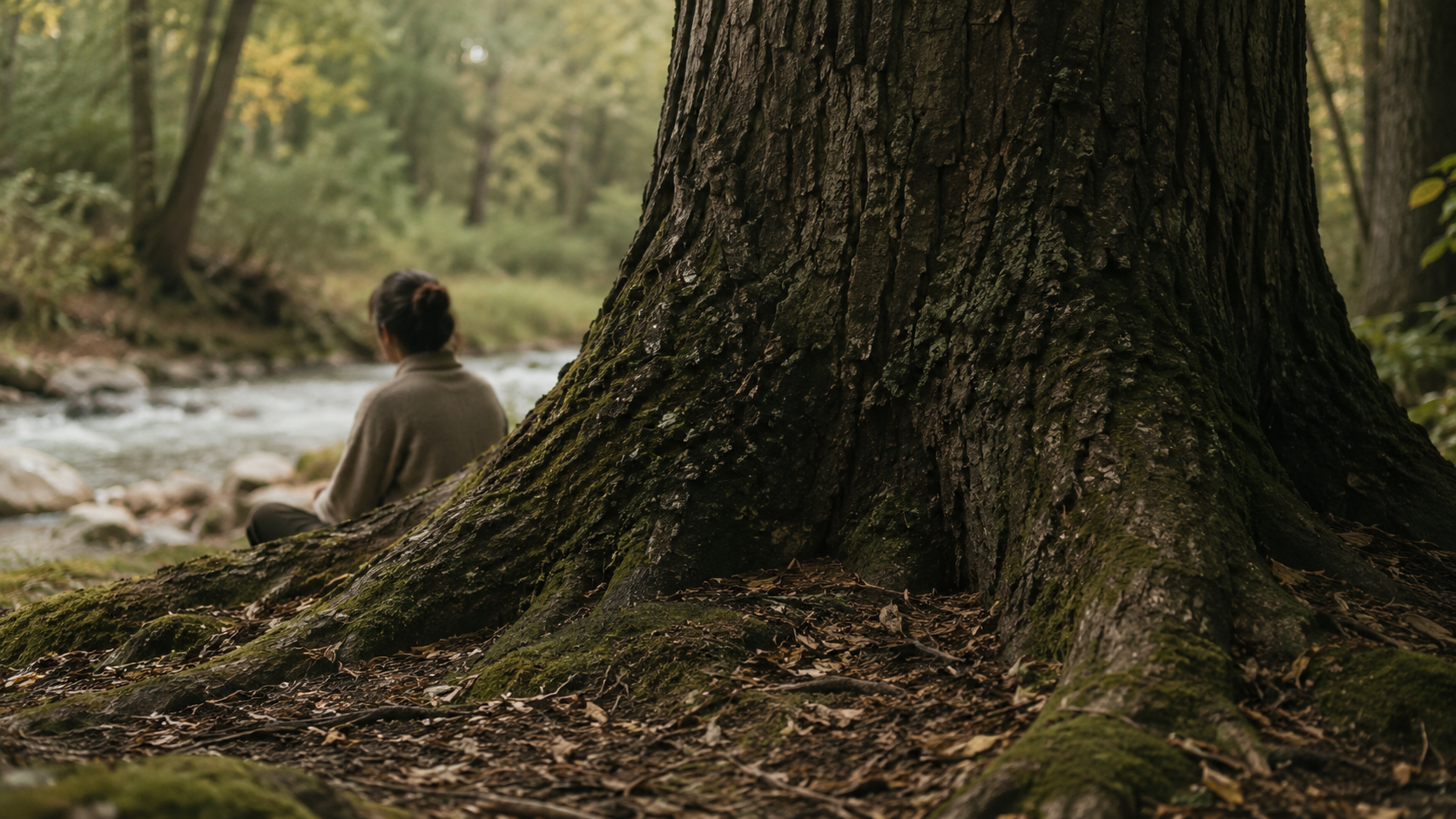
As if you have calmed the leaves and twigs, but
the ground beneath still feels shaken.
You are not doing it wrong. Mindfulness is real,
and its gifts are real. But life change is a particular kind of terrain. And
when the ground beneath us is shaken, we need something more from our practice.
What Mindfulness Is and Why It Matters
At its heart, mindfulness is the practice of
paying attention to what is happening here, not over there; to what is
happening now, not what happened in the past or what may happen in the future.
It is a nonjudgmental, caring attention to the here and now, to ourselves, to
others, and to life as it is unfolding.
Decades of research have confirmed what
contemplative traditions have long known. Mindfulness can calm the nervous
system. It can quiet the overactive mind. It creates space around difficult
emotions, rather than leaving us drowning in them. It can ease chronic stress,
support better sleep, and gently soften the body’s habit of bracing against
what is uncertain.
These are not small things. In a world that moves
fast and rests little, the ability to pause and arrive in the present moment is
a genuine form of self-care.
Mindfulness also teaches us something deeper over
time. It teaches us to observe our own inner experience, thoughts, feelings,
sensations, without being swept away by them. Like learning to watch the
weather without becoming the storm.
This quality of witnessing, of being present
without being reactive, is one of the most sustaining gifts a practice can
offer. It is the beginning of returning inward for peace and steadiness.
But in times of life change, mindfulness practice
has to touch the shaken ground beneath.
When Life Change Touches the Root
Life change is not simply a difficult moment. It
is a shift in the landscape we have been living inside.
A job ends, or a career no longer aligns with your
purpose. A relationship changes shape through separation, through loss, through
the slow drift that sometimes comes without a name. Chronic anxiety and
restlessness begin to shape your days and nights in a world that expects,
compares, and evaluates. The body enters a new season, aging, menopause, or
other natural changes. Or retirement arrives, not only as an ending to work,
but as the dissolving of a familiar daily structure.
What remains is a territory no map prepared us
for.
What makes these moments a different kind of
experience is not only the practical disruption they bring. It is what they do
beneath the surface.
As a cultural anthropologist, I have spent years
studying how identity forms around the structures we live inside: our roles,
our relationships, our sense of belonging and purpose. When those structures
shift, something more than circumstances changes.
The story of who we are begins to feel less
certain. The intimate ground of self, the quiet sense of being at home in our
own life, becomes unsteady.
This is why life change can feel larger than its
visible parts. You may have accepted what happened. You may even know it was
necessary. And still, something in you has not yet settled.
As if an inner balance has been broken, and a new
balance is still on its way.
This is not weakness. It is the honest nature of
human transition.
Why Mindfulness for Life Change Is
Different
This is where the question deepens.
If mindfulness is the practice of arriving in the
present moment, and life change is an experience that disturbs our sense of who
we are, then mindfulness during life change must do more than calm us
momentarily. It must help us find a new balance, an equilibrium rooted in the
living system within us, steady enough to hold us as the outer story remains in
motion.
Mindfulness practice is often designed to help us
manage stress, slow down, and return to our breath. These are genuine gifts,
and they remain supportive during transition.
But when identity itself has been unsettled, when
the story of who we are feels less certain, when self-trust has loosened and
self-doubt has taken its place, we need something more from our practice. We
need something built for the particular terrain of change, not simply the
stress of a difficult day.
Mindfulness for life change carries all the
benefits of regular practice. But it goes further. It offers a structured path:
to return inward from outside noise,
to release what no longer serves,
to rebalance what has been shaken,
to realign with what truly matters,
and to be true and open to what still unfolds.
I have gone through career change more than once.
Some I chose. Others arrived as unwelcome surprises. I know that ungrounded
feeling. I remember the fear of uncertainty. I even carried an unspoken shame
about losing the shiny title that had made my parents proud.
Mindfulness helped calm the surface. But deep
down, I longed for something that could help me return to balance, to the home
within, the place that remembers my truth and worth, and where I always belong.
Mindfulness for life change is not an outside
helper. It is inner companionship.
It walks with you. It breathes with you. It
anchors you in what remains true when everything else is changing.
It is the practice of returning inward, in the
middle of all that has shifted, until a new balance begins to form within.
SEE Within is a structured mindfulness platform
designed for people navigating life transitions. Explore the programs at
seewithin.app.